Slow Speed Can Give Better Sales
Faster sites convert more but slower ones often drive bigger baskets, and more!

Hey Readers 🥰
Welcome to today’s edition, bringing the latest growth stories fresh to your inbox.
And just a quick heads-up! If you stumbled upon us through a friend, make sure to subscribe below! That way, you’ll never miss out on the trending stories.
🤩 Slow Speed Can Give Better Sales
A strange pattern shows up when ecommerce data is sliced by buyer behavior instead of conversion rate.
Faster websites often convert more people. Slower websites often make more money per order.
At first glance, this feels wrong. Speed is supposed to reduce friction; friction kills conversions, and conversions drive revenue. Yet when Average Order Value is layered into the analysis, a different mechanism appears.
This is not a performance issue. It is an intent sorting issue.
What the Intent Gate Framework Explains
The Intent Gate Framework describes how friction does not eliminate demand. It filters demand.
Every buying experience contains gates. Time, effort, attention, and patience act as invisible thresholds. Buyers who pass through those gates are not random. They are more committed.
When a site loads instantly, it allows low-commitment behavior. Quick browsing, impulse decisions, small baskets. The experience optimizes for speed of action, not depth of intent.
When a site introduces light friction, such as heavier visuals or richer interfaces, it quietly raises the commitment bar. Only buyers who genuinely want the product continue. Those buyers arrive ready to spend more.
The friction is not slowing revenue. It is sorting the customer pool.
Why Faster Is Not Always Better
Speed removes cognitive cost. That is usually good. But it also removes self-selection.
A buyer who waits four seconds for a page to load has already invested effort. That effort creates psychological ownership. Ownership increases basket size.
This is why slower sites often show:
- Lower conversion rates
- Higher Average Order Value
- More stable purchase intent
The buyer who bounces early was never a high-value customer. The buyer who stays signals seriousness before the product is even seen.
The Difference Between Qualifying and Destructive Friction
Not all friction is equal. Destructive friction confuses, blocks, or frustrates. Qualifying friction asks for attention, effort, or patience in exchange for clarity.
High-resolution imagery, detailed product videos, comparison tools, and layered information all introduce load time. They also communicate seriousness.
For premium brands, removing these elements in the name of speed often lowers perceived value. The site becomes fast, but it also becomes cheap.
How to Apply the Intent Gate Framework
The goal is not to slow sites down. That would be lazy thinking.
The goal is to design intent gates that align with the buyer you want, not the buyer you can get.
Optimize for:
- Quality of conversion, not just quantity
- Basket depth, not just click speed
- Buyer commitment, not just throughput
Speed is a tool. Friction is a filter. The mistake is treating one as universally good and the other as universally bad. Revenue lives in knowing which buyers to let through, and which ones to quietly screen out.
Partnership with Lindy
You are not behind on ideas. You are behind on speed.
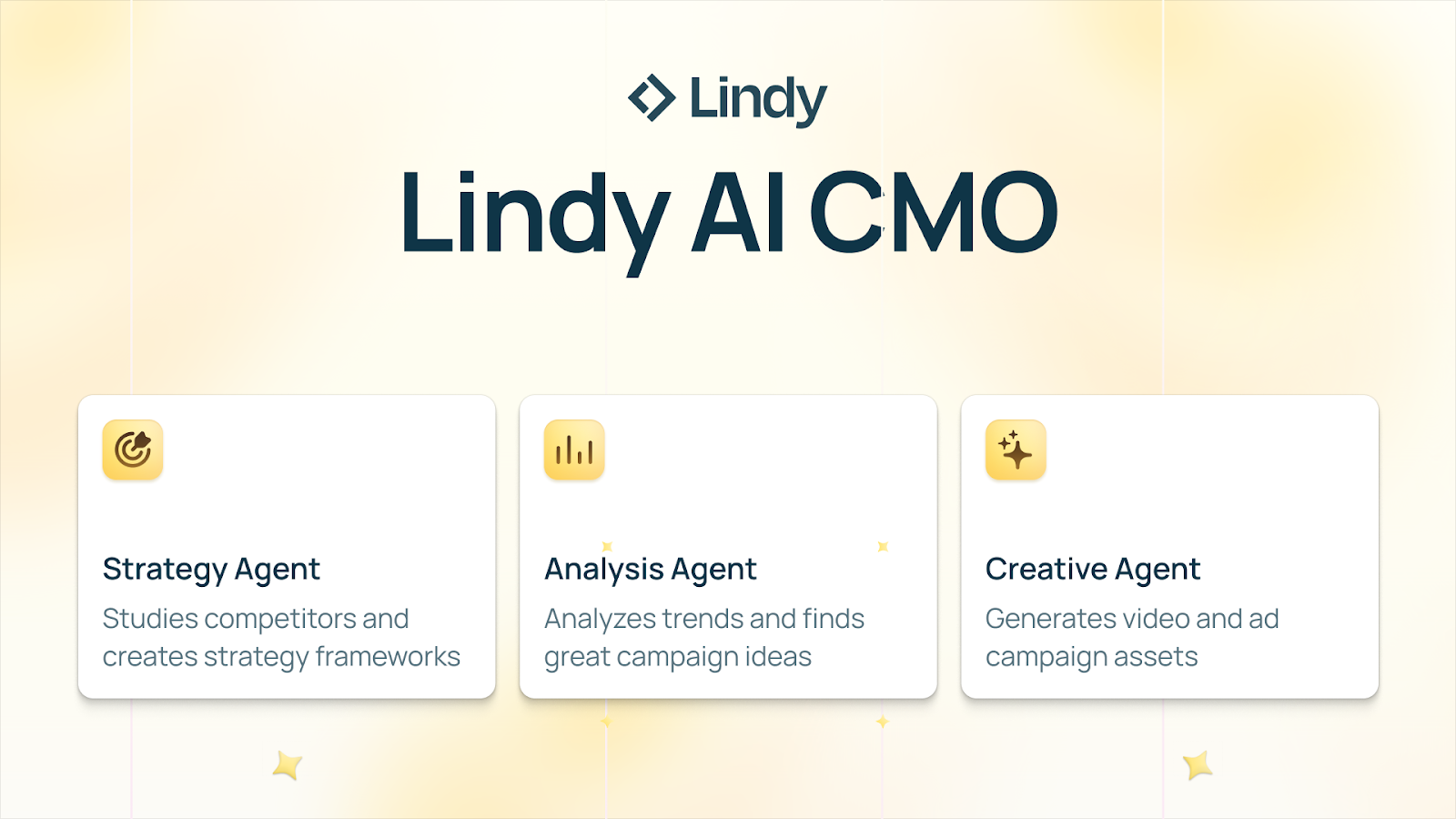
You know the drill. Competitor research scattered across tabs, unfinished messaging docs, late briefs, and creative that misses the angle. That chaos is not annoying; it is expensive.
Lindy AI CMO is a suite of powerful agents that ship beautiful marketing campaigns quickly.
Drop in your website, and agents study your competitors, extract angles, draft messaging, create briefs, and generate launch-ready assets, then organize everything in Airtable for a clean approval flow.
- Cut campaign prep from 10 to 14 days down to 1 to 2 days.
- Generate 30 to 80 on-brief variants per angle to accelerate testing.
- Reduce rework and increase weekly experiment volume without extra headcount.
Teams running agent-led workflows consistently ship 2 to 3 times more weekly tests with the same headcount.
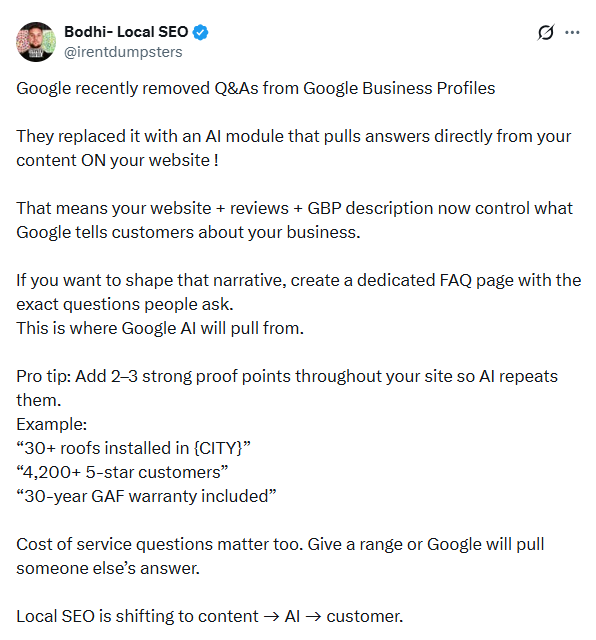
🗝️ Tweet of the Day
Advertise with Us
70% of email clicks are bots but not with The Playbook. Reach real human buyers with verified clicks and only pay for actual engagement.
We'd love to hear your feedback on today's issue! Simply reply to this email and share your thoughts on how we can improve our content and format. 😍